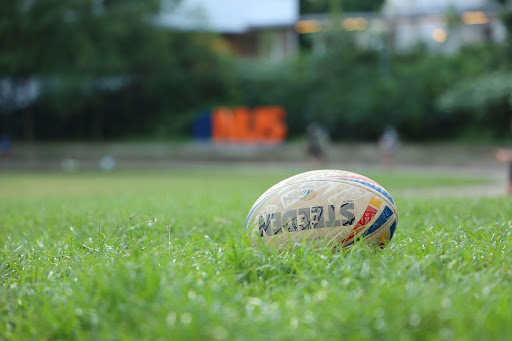
If you’ve been up early or stayed up late over the last fortnight, you’re not alone. The Rugby League World Cup is being played on the other side of the planet, and it has already given us a two-point thriller, a few cricket scores and a Fijian side that nearly pulled off the first big upset. With the semi-finals now in sight, here’s where things stand and what’s worth setting an alarm for.
Watching a World Cup from the other side of the planet
Let’s be honest, this tournament doesn’t fit neatly around a UK weekend. Some games in Port Moresby are listed with a 5.25am kick-off in UK time, while the Australian fixtures tend to land mid-morning. That means dawn starts with a brew, group chats buzzing before breakfast, and highlights packages on the sofa after work.
Plenty of fans build a routine around it. Some save the day’s best games for the evening, some argue about the Kangaroos in the pub, and some round off the night with a look at a new online casino once the games are done. That’s entirely up to you, and it only works if it stays fun. Gambling is strictly for over-18s, so set limits you’re comfortable with and only play with money you can afford to lose. If it ever stops feeling like entertainment, BeGambleAware.org offers free, confidential support.
Whatever your routine, the early starts are worth it, because this is shaping up to be a memorable World Cup.
How this World Cup works
This is a big one. The tournament runs from 15 October to 15 November across Australia, New Zealand and Papua New Guinea, with the men’s, women’s and wheelchair competitions all played at the same time. Between them there are 26 teams from 14 nations, 53 matches and 31 days of rugby league.
The men’s competition has been trimmed to ten teams, down from sixteen in the past, which is meant to make every game matter. Group A has Australia, New Zealand, Fiji and the Cook Islands, and the top two go through to the semi-finals. The other six sides are in two smaller pools, but they share one combined table, and the top two from that table also reach the semis.
The semi-finals are on the weekend of 7 and 8 November, and the final is on Sunday 15 November at Suncorp Stadium in Brisbane. The women’s final is played at the same ground on the same day, so it’s a proper double-header finale.
What’s happened so far
The tournament started with a bang. Australia, the defending champions, beat New Zealand 24-22 in a classic at Allianz Stadium in Sydney, with Jack Bostock completing a hat-trick for the winning try. Elsewhere in round one, Samoa thrashed France 78-4 and Tonga beat England 30-12 in Perth.
England bounced back in round two with an 82-0 win over France, and Samoa then hammered Papua New Guinea 64-6 in Port Moresby. In the combined table, Samoa lead on four points with a points difference of plus 132, Tonga are also on four, and England are on two.
Then came Sunday’s scare. Australia beat Fiji 36-22 at Suncorp, but Fiji twice took the lead either side of half-time before Tom Trbojevic’s second-half hat-trick helped the Kangaroos over the line. More than 41,000 fans were there. That win sealed Australia’s place in the semi-finals, and they finish their pool against the Cook Islands in Townsville.
New Zealand beat the Cook Islands 82-16 in Christchurch, which sets up a straight shoot-out with Fiji on the Gold Coast on 31 October for the second Group A semi-final place.
The women’s tournament has been even more lopsided. Australia beat England 78-0 in Perth, and they have already qualified for the semi-finals. New Zealand have as well, after beating France 92-0. Australia also opened with a 40-0 win over Samoa.
What to watch next
The next week has a few games that really matter:
- England v Papua New Guinea, Friday 30 October in Wollongong, a big one for England’s semi-final hopes
- New Zealand v Fiji on the Gold Coast on Saturday 31 October, the decider for the second Group A spot
- Tonga v Samoa, Sunday 1 November in Sydney, a likely clash of the unbeaten
- England women v Samoa, Friday 30 October in Wollongong, another big game for England’s semi-final hopes
After that, the semi-finals arrive on 7 and 8 November, followed by the wheelchair final on Friday 13 November in Wollongong and the big finals on the Sunday.
Why this World Cup feels different
A lot of the story is about the Pacific. Samoa, Tonga and Fiji have been among the headline acts, and the tournament is giving the sport a big stage in Australia, New Zealand and Papua New Guinea.
The reduced format also means fewer mismatches, though some of the early scorelines show the gap between the top sides and the rest is still wide. Even so, with Australia pushed by Fiji and Samoa looking ruthless, nobody can say the finish is a foregone conclusion. Set the alarm, put the kettle on, and enjoy the rest of it.