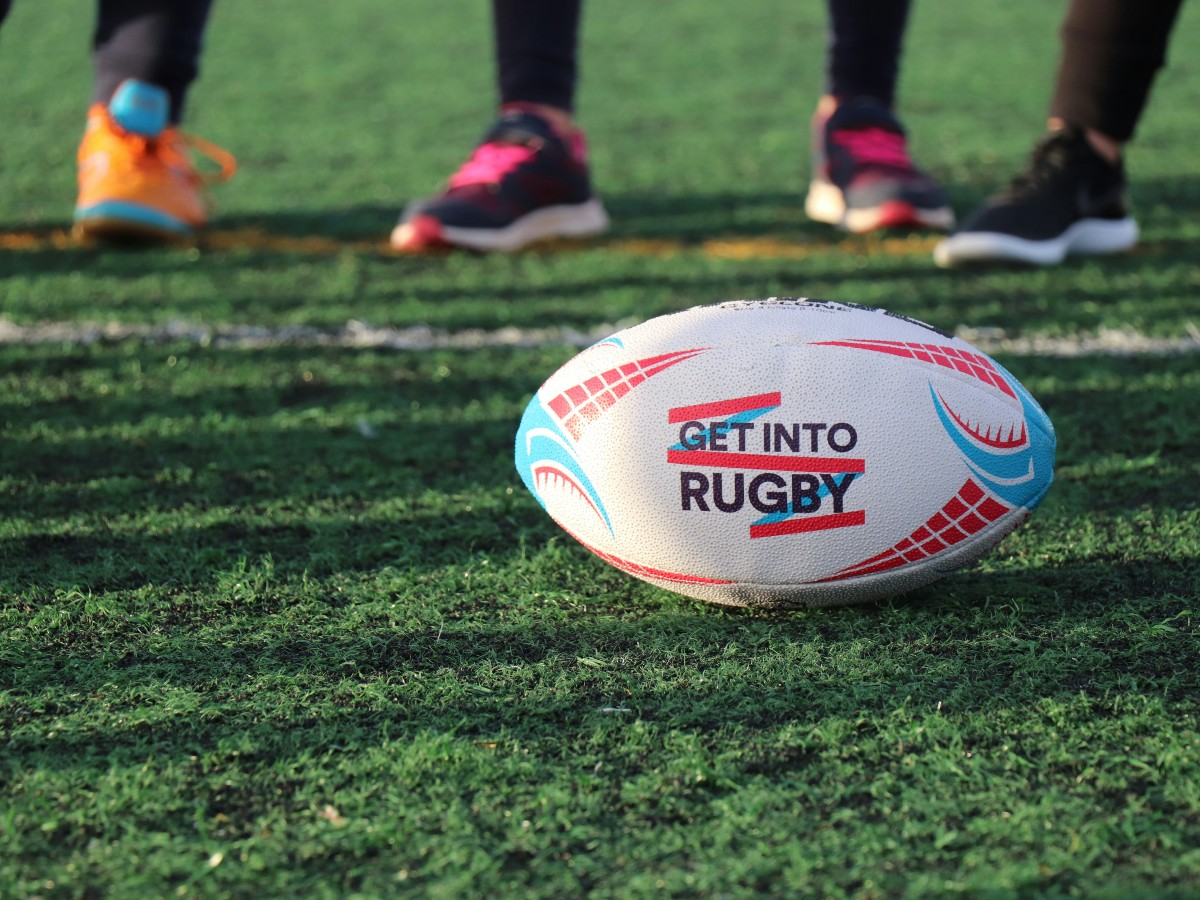
Kicking games and field position can create as much pressure as the final carry over the try line.
Rugby supporters love tries, line breaks, and big carries, but tight games are often shaped long before anyone reaches the line.
Territory can completely change the pressure of a contest. A team inside the opposition half can force rushed kicks, incomplete sets, and penalties. A side trapped near its own line may defend bravely, but one poor exit can send it straight back under pressure.
The last tackle is an attacking opportunity
In Rugby League, the tackle count gives every set a shape. Early carries earn field position before the half-backs decide how to finish the set.
A long kick can pin the opposition near its own line. A high kick allows the chasing team to contest possession, while a grubber can force a defender into a difficult decision close to the try line.
The best kick is not always the one that directly produces a try.Turning an opponent around and making them begin deep can be just as valuable when the defensive line follows with energy.
Widnes has shown the value of that balance during 2026. Our recent look atthe Vikings’ attacking weapons during the play-offs highlighted Tom Gilmore’s ability to move the side around the pitch and Danny Richardson’s kicking game, alongside the close-range threat of Adam Lawton.
Why territory matters in different forms of rugby
Rugby Union does not have a six-tackle limit. A team can retain the ball through repeated phases as long as it continues securing possession at the breakdown.
That makes the ruck central to field position. Slow possession gives the defence time to reset. Quick ball can catch defenders before they have reorganised and create space for the next carrier.
The scoring system also changes decisions. A try is worth five points in Union and four in League. A penalty goal earns three points in Union but two in League, while a drop goal is worth three in Union and one in League.
A Union team awarded a kickable penalty may take three points. A League side in a similar position may prefer another attacking set or use the kick to extend a narrow lead.
These differences also influencerugby betting markets. Match odds, handicaps, and point totals are assessed against the scoring system, expected conditions, and each team’s kicking game. League and Union matches can reach similar totals through different patterns of play.
Possession does not always mean pressure
A team can dominate the ball without controlling the useful areas of the pitch.
Repeated phases around halfway may look impressive, but they lose value if the attack finishes with a loose kick or handling error. An opponent can spend less time in possession and still create better chances by beginning sets further up the field.
TheWorld Rugby laws on scoring confirm the values of tries, conversions, penalty goals, and drop goals in Union. The points explain part of the tactical difference, but the location of each opportunity still matters.
Every kick needs a purpose
Territory should not become an excuse to kick automatically.
A poor kick can hand over possession without improving field position. The decision must match the defensive shape, the chase, and the stage of the tackle count or phase sequence.
The strongest teams kick with a clear purpose. They know whether they are searching for touch, testing a catcher, or creating a contest near the line.
Supporters remember the try that completes the move. Coaches are just as likely to remember the kick, carry, or defensive set that made the chance possible.
The rules differ between League and Union, but the value of making an opponent play from the wrong end rarely changes.